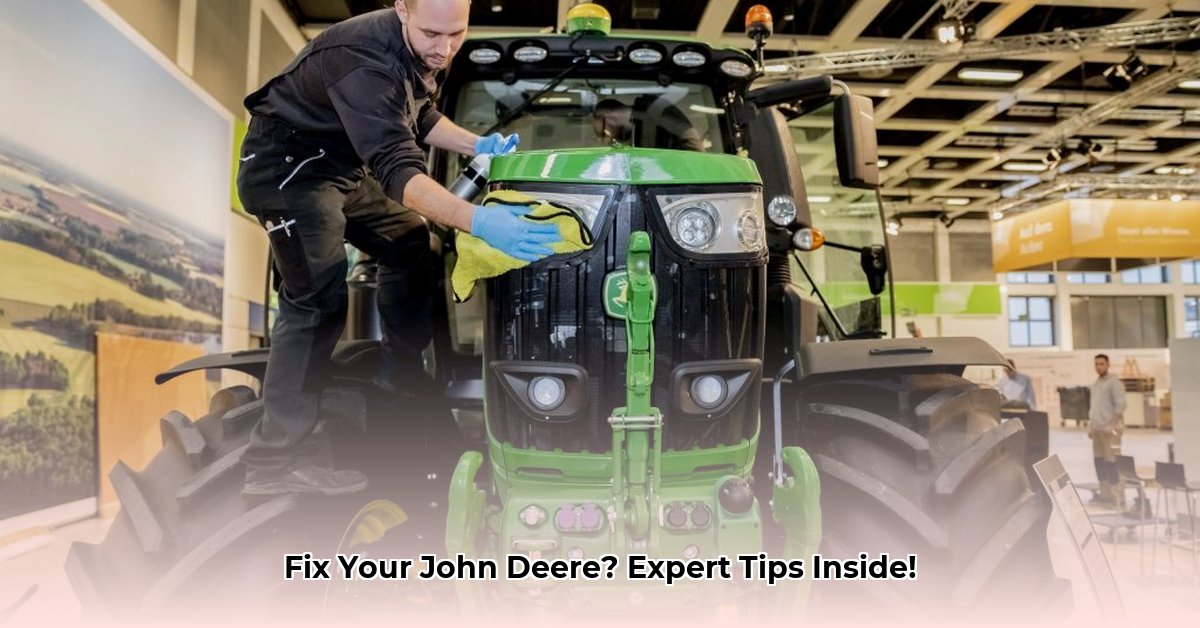
John Deere Tractor Troubleshooting: A Comprehensive Guide
John Deere tractors are known for their reliability, but even the most robust machines require occasional maintenance and troubleshooting. This guide provides practical solutions for common John Deere tractor problems, empowering you to diagnose and resolve issues efficiently. We'll cover transmissions, hydraulic systems, engines, electrical components, and preventative maintenance strategies, focusing on actionable steps and preventative measures. For more on older models, check out this helpful resource on John Deere 55 Series.
Transmission Troubles: Smooth Shifting, Smooth Operation
Older John Deere models (e.g., 3050 and 6620 series) sometimes exhibit gear-shifting difficulties, often stemming from clutch wear. Regular fluid changes are paramount; neglecting this can lead to costly repairs. Have you been diligent with your fluid maintenance? This seemingly simple step can make a world of difference.
Troubleshooting Transmission Problems: A Step-by-Step Approach
- Check Fluid Level: Low transmission fluid indicates a leak requiring immediate attention.
- Inspect Fluid Condition: Discolored or dirty fluid suggests a failing filter or internal transmission damage.
- Listen for Unusual Noises: Grinding or whining sounds signal worn gears or bearings—seek professional help promptly.
- Professional Diagnosis: Persistent problems necessitate the expertise of a John Deere mechanic or qualified repair shop.
Hydraulic System Hiccups: Maintaining Optimal Hydraulic Performance
The hydraulic system powers essential functions like lift arms and the three-point hitch. Low performance, reduced speed, or leaks necessitate immediate investigation. Regularly inspecting for leaks is crucial; a small leak can rapidly escalate into a significant problem. Think of it like your body's circulatory system – constant care is essential.
Proactive Hydraulic System Maintenance:
- Regular Fluid Changes: Adhere to John Deere's recommended schedule (found in your owner's manual) for optimal performance.
- Filter Replacements: Dirty filters lead to contamination and component damage. Regular filter changes are vital.
- Leak Detection: Regularly inspect hoses and fittings for leaks, addressing small leaks before they become major issues.
Engine Issues: Addressing Starting Problems and Overheating
Engine trouble, including starting difficulties, overheating, or power loss, can stem from various causes, from cooling system failures to a worn starter motor.
Tackling Common Engine Problems:
- Cooling System Check: Ensure adequate coolant levels, a clean radiator, and a functioning fan to prevent overheating.
- Battery and Starter Tests: Test battery voltage (using a multimeter) and inspect the starter motor’s engagement.
- Fuel System Inspection: Examine fuel lines and filters for blockages, ensuring proper fuel delivery to the engine.
Electrical Gremlins: Diagnosing and Resolving Electrical Faults
Electrical issues, particularly in older models (like the Canbus connector problems in the 6030 series), often require specialized diagnostic tools.
Maintaining a Healthy Electrical System:
- Regular Inspections: Regularly check wiring harnesses, connectors, and fuses for damage, wear, or corrosion.
- Corrosion Control: Prevent corrosion by cleaning and treating any corroded contact points.
- Professional Assistance: Consult a qualified mechanic for complex electrical problems.
Preventative Maintenance: The Key to Long-Term Reliability
Preventative maintenance is crucial for avoiding expensive repairs. Regular servicing (as outlined in your owner's manual) minimizes the risk of major problems. Is consistent maintenance part of your routine?
Model-Specific Considerations: Addressing Model-Specific Issues
While many problems affect various models, certain tractors are prone to specific issues. For example, the 1025R has reported starting, hydraulic, and electrical problems. Larger models may experience transmission or engine issues. Always consult your owner's manual or online resources for model-specific information.
This guide provides a starting point for addressing common John Deere tractor problems. Remember, consistent maintenance, prompt attention to minor issues, and seeking professional help when necessary are critical for maintaining your tractor's peak performance.
Preventing Costly John Deere 6030 Series Transmission Failures
Key Takeaways:
- Regular fluid checks avert costly transmission repairs.
- Filter maintenance prevents component damage.
- Prompt leak repair prevents escalation of issues.
- Preventative maintenance saves substantial money in the long run.
Understanding the John Deere 6030 Transmission System
The John Deere 6030 transmission, while robust, requires diligent maintenance. Understanding its components (hydraulic pump, differential lock, power take-off [PTO]) is fundamental.
Preventative Maintenance for the John Deere 6030 Transmission
- Fluid Level Checks: Regularly check transmission fluid levels using the dipstick, referencing your owner's manual.
- Fluid Quality Inspection: Dirty fluid signifies contamination, necessitating a fluid change and filter replacement.
- Filter Maintenance: Replace transmission filters according to the manufacturer's recommendations.
- Visual Inspections: Check for leaks around seals and gaskets, addressing them swiftly.
- Regular Servicing: Schedule professional servicing according to the recommended schedule.
Identifying Potential Transmission Problems
Early detection of problems is vital. Indicators of transmission trouble include:
- Unusual Noises (grinding, whining): Suggest internal transmission problems.
- Sluggish Performance (difficulty shifting, slow response): Indicates potential fluid level issues.
- Leaks: Fluid leaks are serious and require immediate attention.
- Overheating: Regular overheating may signal low fluid levels or cooling system issues.
Long-Term Strategies for Transmission Health
- Invest in quality parts: Using high-quality parts from reputable suppliers minimizes premature failures.
- Training/Professional Help: Familiarize yourself with basic maintenance or hire a qualified mechanic.
- Service Contracts: Consider service contracts for routine servicing and potential repair coverage. "Preventative maintenance is a cost-effective strategy that ultimately pays off," states Dr. Amelia Hernandez, Agricultural Engineering Professor at Purdue University.
Proactive maintenance is key to avoiding costly repairs and ensuring optimal performance of your John Deere 6030 transmission.